































Why most AI programmes fail.
Most boardrooms treat AI like software. The system underneath stays the same.
AI adoption rarely stalls for lack of tools. It stalls when leadership, structures, communication, expectations, and capabilities stop moving together.
- Tools are bought before the work is redesigned.
- Pilots stay local because leadership hasn't changed the system.
- Training fades because the operating foundation is missing.
The missing layer is the operational foundation: the conditions people are actually acting inside.
How AI integration actually works.
It takes 4 to 18 months, depending on size: a sequence of decisions, conditions, and capabilities, done in the right order.

Leadership Empowerment
Leadership becomes the first user.
Boards, C-suites, and senior leaders build real, hands-on AI fluency themselves, so they can lead the transformation from experience instead of handing it off to someone else.
An AI Intention: a short, signed statement of how the company will treat AI. A stance, not a roadmap.

AI Setup & Governance
The operating conditions get built.
Access, model choices, policies, governance, compliance, and ownership get designed into how the work actually happens, not bolted on afterward. Get this part wrong and nothing that follows compounds. It just evaporates.
The frontier model gets picked, access gets provisioned, and policies and governance get built in from day one instead of bolted on later.
Launch Moment
Organisation-wide rollout begins here.

Organisation Empowerment
Capability spreads through the organisation.
AI literacy, rituals, internal academies, champions, and team-level support turn AI into just how work gets done. The people closest to the work start improving it themselves.
AI stops being a project the company is running and becomes the default condition it operates in.

The Transformation
The business itself changes.
AI-fluent teams redesign processes, build AI-native workflows, and develop new services. About half of that is making existing work radically faster; the rest is doing things that weren't possible before.
The advantage compounds quietly, and copying it means having actually lived through the previous three stages.
Two layers compound beneath all four stages.
- AI Context Layer
- Policies · workflows · decisions · assistants · knowledge assets.
- Social Density
- Community · rituals · weekly AI slot · events · shared practice.
Build the foundation, empower the organisation, and earn the transformation.
Read the full frameworkFrom regulatory pressure to AI-driven transformation.
A European insurance group needed to get ready for the EU AI Act, and refused to turn it into a checkbox exercise. So the work went into the foundation underneath: governance, communication, enablement, and capability that could actually spread.
PRESSURE
A regulatory deadline with real stakes.
EU AI Act readiness, across a multi-entity insurance group. The real risk wasn't the deadline itself. It was answering that deadline with a checkbox programme that left the organisation no more capable with AI than it was before.
- Multi-entity group
- EU AI Act
- Hard deadline
INTERVENTION
An operational foundation, built by design.
We started with the board and senior leaders, getting everyone aligned before anything else moved. Governance, internal communication, enablement, and community got built into that foundation from day one, not bolted on once the programme was already running.
- Governance
- Communication
- Enablement
- Community
OUTCOME
Capability spread. Pilots didn't stall.
Frontier models went straight into employees' hands through a distributed enablement approach. Use cases came from the people closest to the work, so nothing got stuck waiting on a central pilot team.
- Distributed enablement
- Use cases from the work
- No central bottleneck
The philosophy has an author.
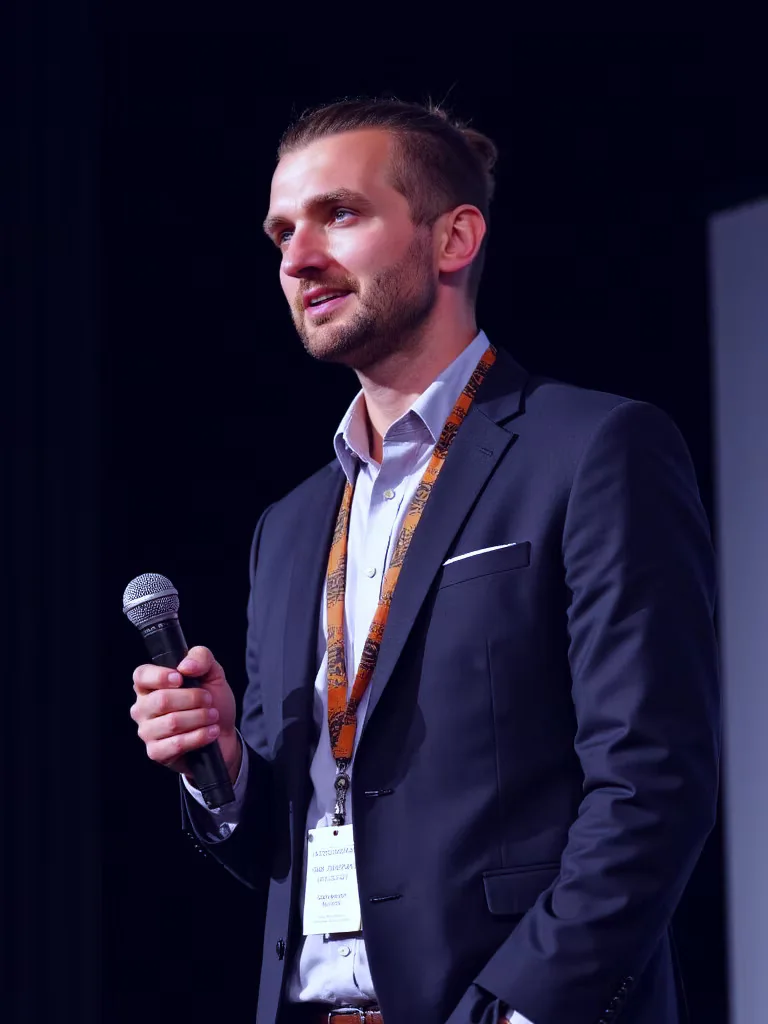
Christoph Kwiatkowski
“AI is not a technological challenge — it is a transformative one. Organisations that treat it as software will be governed by the ones that don't.”
Christoph Kwiatkowski is one of the leading minds in AI transformation in the German-speaking world, and the architect of the AOTW philosophy.
He works with boards, leadership teams, and frontline practitioners alike, turning AI from an abstract debate into structural change.
Start with a 30-minute conversation.
A senior partner attends. We discuss where you stand and what transformation path fits.
Other AOTW initiatives.
The Legal Model
Helping legal teams get sharper, and modernizing the practice of law itself.
AI PowerUp
Equipping young adults with real skills, giving the next generation a head start.
Schools & Communities
Helping schools and local communities put AI to work. Coming soon.
Open Formats
Public webinars, workshops, and sprint cohorts.